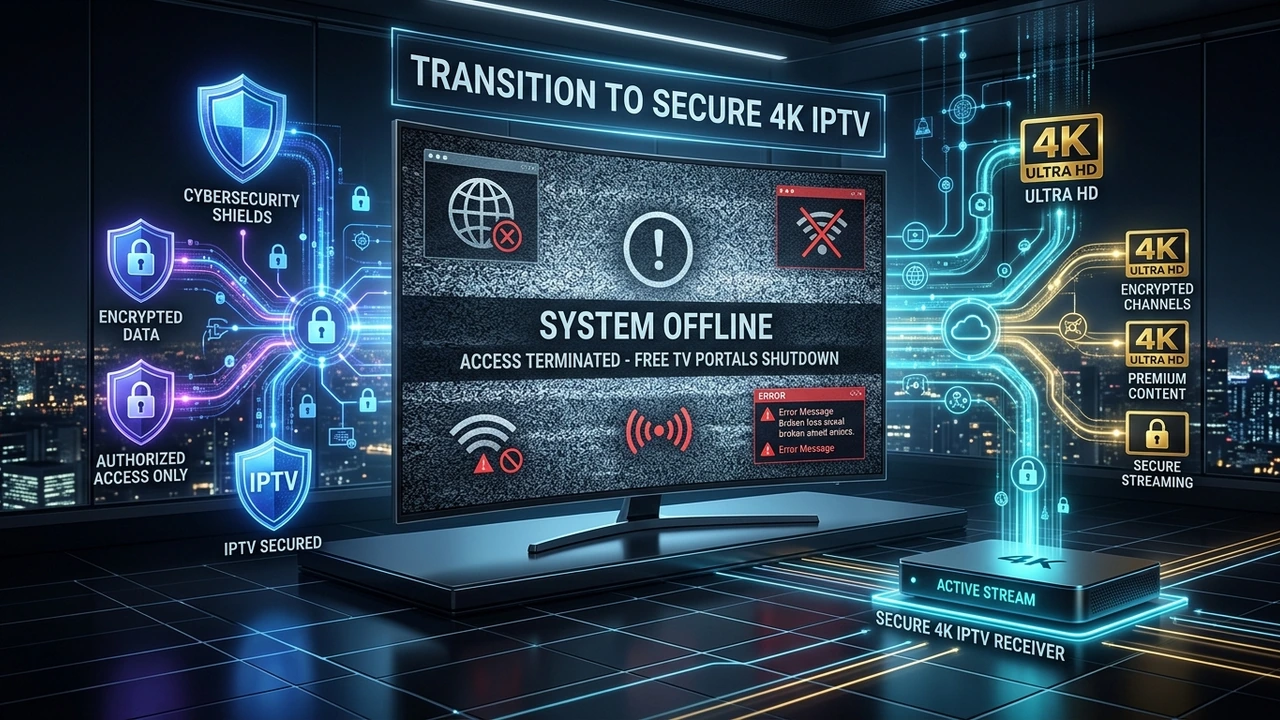
TVPass Down in 2026: Step-by-Step Migration Guide, Safety Warnings, and Best Live TV Alternatives
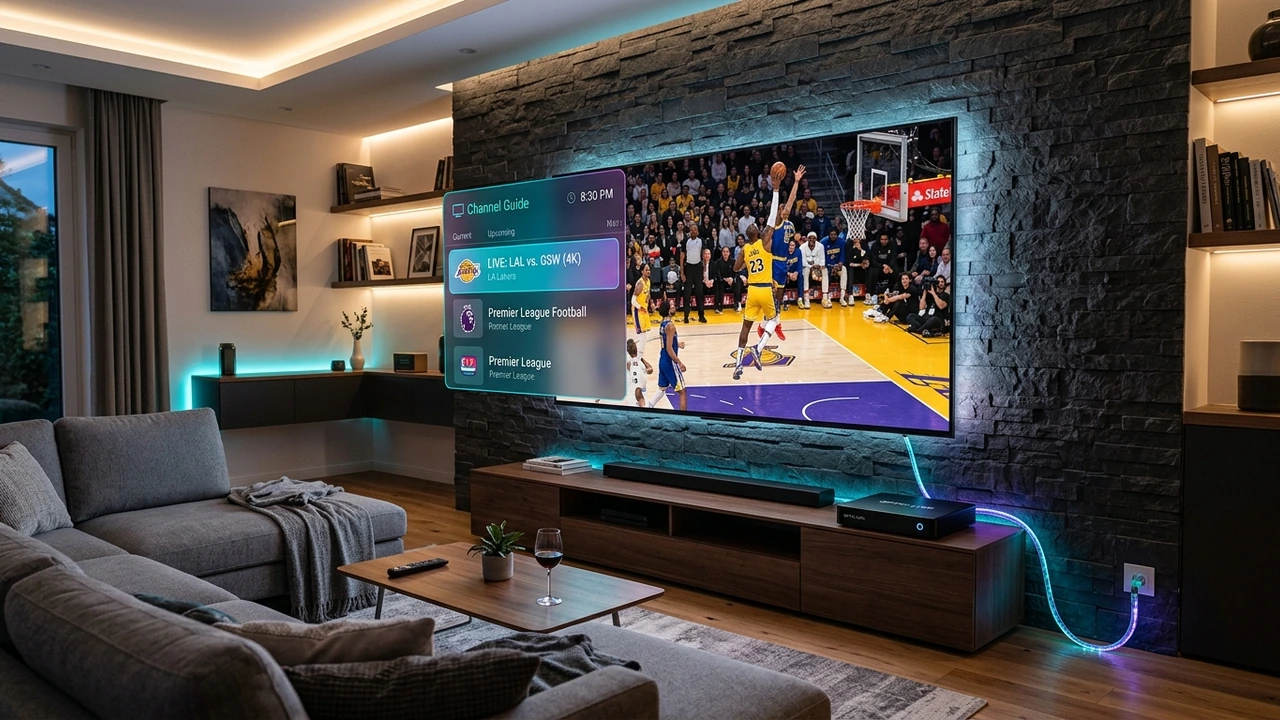
For millions of television viewers across North America, the United Kingdom, and Europe, the sudden and permanent blackout of TVPass in 2026 created an immediate entertainment void. For years, TVPass had served as a primary go-to browser portal for sports enthusiasts, news followers, and international cord-cutters seeking frictionless access to live linear broadcasts without recurring subscription commitments or specialized hardware setups. Users could open any standard web browser, click a channel tile, and instantly stream broadcast feeds across laptops, smartphones, and connected smart screens.
However, when server clusters went completely silent—displaying persistent DNS_PROBE_FINISHED_NXDOMAIN errors, HTTP 522 Cloudflare gateway timeouts, and registrar suspension notices—millions of regular viewers were left stranded without their primary entertainment pipeline. More alarming than the outage itself was the chaotic aftermath: an aggressive wave of deceptive copycat portals, rogue APK distribution networks, and phishing landing pages surfaced across search engine results, eagerly capitalizing on displaced users searching for terms like "TVPass new domain," "TVPass mirror," or "TVPass replacement."
If you were a loyal user of TVPass suddenly left staring at broken bookmarks and blank video frames, this comprehensive migration guide will walk you through everything you need to know. We will conduct a thorough forensic post-mortem on why TVPass collapsed, examine the digital minefield of predatory clone domains actively threatening cord-cutters, outline a structured 5-step hardware migration protocol, provide granular setup walk-throughs across every major consumer device, and compare free web-based index directories against dedicated, high-performance streaming networks like the NixaTV IPTV platform and its expansive IPTV channel catalog.
1. What Made TVPass Popular vs. Its Fundamental Architectural Flaws
To execute a successful migration away from TVPass, you must understand both the user experience elements that made it appealing in the first place and the structural engineering flaws that ultimately doomed it to catastrophic failure.
The Illusion of Frictionless Web Streaming
TVPass achieved explosive growth because it eliminated every friction point traditionally associated with cord-cutting and digital television distribution:
- Zero Hardware Barrier: Unlike traditional cable television requiring set-top boxes, coaxial drops, and technician appointments, or specialized IPTV requiring dedicated media players, TVPass operated entirely inside standard web browsers such as Google Chrome, Mozilla Firefox, Apple Safari, and Microsoft Edge.
- Instantaneous Channel Switching: By organizing channels into straightforward category tabs—Sports, Cinema, News, Kids, and International Feeds—the interface mimicked the simplicity of an interactive program guide without demanding user registration, account logins, or credit card authorizations.
- Universal Cross-Platform Accessibility: Whether a user logged in from an aging Android smartphone, an Apple iPad, an office desktop workstation, or an Amazon Silk browser on an Amazon Fire TV Stick, the responsive web player delivered immediate linear playback.
The Underlying Network Fragility
Despite its consumer-facing simplicity, the backend architecture powering TVPass was fundamentally fragile, ad-hoc, and completely unsustainable over the long term. Unlike enterprise IPTV networks that negotiate direct fiber master transport feeds and deploy multi-tiered Content Delivery Networks (CDNs) with dynamic load balancing, TVPass relied upon a precarious chain of scraped manifest streams:
- Scraped Manifest Relays: TVPass did not capture satellite downlinks or terrestrial television broadcast signals in physical data centers. Instead, automated backend scripts continuously scraped unencrypted or token-vulnerable HTTP Live Streaming (HLS) master manifests (
.m3u8) and Dynamic Adaptive Streaming over HTTP (DASH) manifests (.mpd) from regional cable company web players, digital television rebroadcast portals, and open relay nodes. - Reverse Proxy Load Balancers Under Extreme Strain: Because direct access to origin broadcast servers would quickly trigger IP bans and domain firewalls, TVPass routed stream requests through intermediate reverse proxy nodes. During routine daytime programming, these proxy servers functioned adequately. However, during major high-concurrency sporting events—such as NFL playoff games, Premier League derby matches, UEFA Champions League showdowns, or championship boxing cards—hundreds of thousands of simultaneous viewers bombarded the proxy nodes, causing network bottlenecks, buffer spirals, and widespread gateway drops.
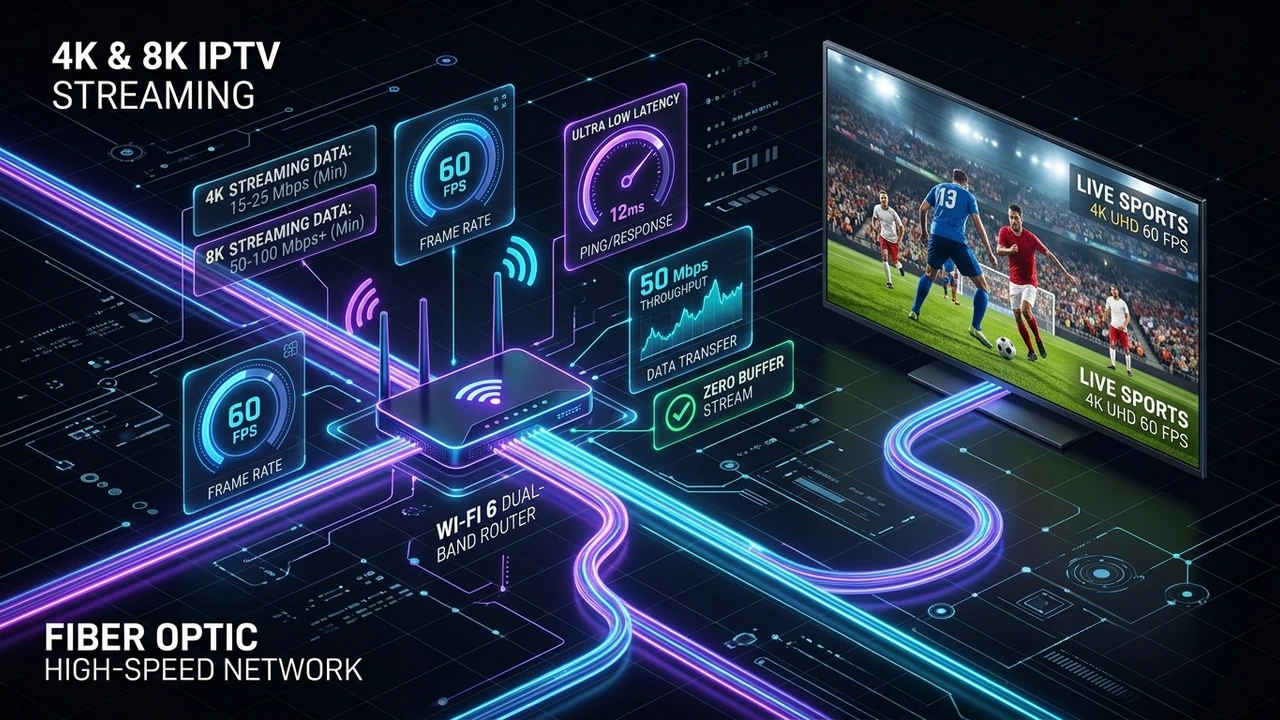
- Severe Bandwidth Deficits: High-definition video streaming is an bandwidth-intensive operation. A single 1080p stream delivered at 60 frames per second requires approximately 6 to 8 Megabits per second (Mbps) of continuous sustained network throughput. Scaled across 250,000 simultaneous viewers, the platform demanded upwards of 1.5 to 2.0 Terabits per second (Tbps) of sustained outbound bandwidth. Because TVPass charged no mandatory fees, operating costs were funded exclusively through intrusive display advertising banners, pop-under scripts, and voluntary cryptocurrency donations. As advertising revenue plummeted due to widespread browser ad-blocker adoption, the platform could no longer satisfy multi-thousand-dollar monthly cloud transit invoices.
- Complete Lack of Redundancy: Enterprise streaming infrastructures maintain multi-source redundancy; if an primary ingest node goes dark, secondary and tertiary satellite downlinks automatically reroute user connections in milliseconds without dropped frames. TVPass possessed zero transport redundancy. When an upstream broadcast broadcaster updated their token authentication algorithm, patched an open relay node, or rotated their digital rights management (DRM) keys, the channel vanished instantly from the TVPass interface with no backup stream available.
2. Chronological Forensics: The 2026 TVPass Blackout
The downfall of TVPass did not occur unexpectedly in a single afternoon. Instead, it unfolded through a distinct sequence of technical and infrastructural failures throughout 2026. Understanding this timeline helps viewers recognize why waiting for a magical "TVPass revival" is futile.
Phase 1: Progressive Performance Degradation (January – March 2026)
Beginning in early 2026, regular visitors began noticing severe latency spikes and visual artifacts. High-demand sports feeds, which previously streamed at smooth 1080p 60 FPS, were systematically degraded to heavily compressed 720p 30 FPS streams to conserve server bandwidth. Channel tiles frequently hung on perpetual buffering wheels, audio channels drifted seconds out of synchronization with video frames, and users on Reddit and Discord streaming communities reported that popular channels were offline for days at a time.
Phase 2: DNS Null-Routing and Registry Intervention (April – May 2026)
By the spring of 2026, regulatory and copyright enforcement agencies increased legal pressure on public top-level domain (TLD) registrars and recursive DNS providers. Authoritative name server records for the primary TVPass domain were stripped at the registry level. Browsers attempting to establish socket connections were met with definitive lookup errors:
DNS_PROBE_FINISHED_NXDOMAIN
ERR_NAME_NOT_RESOLVED
While technical users temporarily circumvented this block using alternative recursive resolvers or direct IP connections, the administrators were forced to migrate to secondary mirror domains. Each subsequent domain migration fractured user trust and triggered immediate automated anti-piracy countermeasures.
Phase 3: Total Host Blackout and Infrastructure Liquidation (June 2026 – Present)
By mid-2026, hosting providers and cloud reverse-proxy providers severed server leases following persistent non-payment and coordinated cease-and-desist notifications. The origin servers were decommissioned, database records were deleted, and any attempt to load original TVPass URLs returned permanent Cloudflare HTTP 522 timeouts (Origin Connection Time-out) or HTTP 523 (Origin Unreachable).
The original operators did not release a transition plan, publish an open-source backup, or point users toward a vetted alternative. TVPass was officially, permanently defunct.
3. The Malicious Clone Wave: How Cybercriminals Exploit Displaced Viewers
When a wildly popular streaming portal goes dark, an immediate search vacuum is created. Hundreds of thousands of cord-cutters turn to Google, Bing, DuckDuckGo, and social media platforms, frantically searching for phrases like:
- TVPass new website URL 2026
- TVPass official replacement domain
- TVPass working mirror link
- TVPass APK download for Android
This intense search demand has created a lucrative playground for cybercriminals, malvertising syndicates, and digital scammers. Understanding their predatory tactics is essential to protecting your personal data, devices, and home network.
       [ Displaced TVPass User Searches: "TVPass new domain 2026" ]
                                   │
                                   ▼
          ┌──────────────────────────────────────────────────┐
          │      Rogue Clone Domains & Deceptive Landing     │
          │             (e.g., tvpass.cx, tvpass-app.io)     │
          └────────────────────────┬─────────────────────────┘
                                   │
            ┌──────────────────────┴──────────────────────┐
            ▼                                             ▼
┌─────────────────────────┐                   ┌─────────────────────────┐
│     Malicious APKs      │                   │   Browser Hijacking &   │
│   & "Desktop Players"   │                   │    Drive-by Malware     │
├─────────────────────────┤                   ├─────────────────────────┤
│ • Cryptomining Trojans  │                   │ • Aggressive Pop-unders │
│ • Screen-scraping Spyware│                  │ • Notification Spamming │
│ • Botnet Zombie Clients │                   │ • Credential Phishing   │
└─────────────────────────┘                   └─────────────────────────┘
Deceptive Clone Domains
Within days of TVPass's collapse, dozens of newly registered domain names appeared—utilizing exotic TLDs such as .is, .cx, .to, .cc, and .io. These sites visually replicate the exact stylesheet, branding, logo, and channel grid of the original TVPass interface. However, clicking any channel link produces one of several malicious outcomes:
- Aggressive Pop-Under Malvertising Chains: Clicking any button triggers background browser tabs that redirect through multi-hop affiliate ad networks, landing on deceptive pages promoting fake anti-virus software, fake Adobe Flash updates, or predatory adult gaming subscriptions.
- Push Notification Hijacking: Deceptive browser prompts appear: "Click Allow to verify you are not a robot and access stream." Granting this permission allows malicious ad servers to flood your operating system notification center with relentless spam, scareware alerts, and crypto-scam solicitations, even when your browser is closed.
- Credential Harvesting Forms: Some clone portals display overlay modal boxes claiming that TVPass has transitioned to a "free registered VIP membership." Users are prompted to enter their email addresses, create passwords, and in the worst scenarios, submit credit card details "for identity verification." These credentials are immediately harvested, cataloged, and sold on dark web marketplaces.
Weaponized Android APKs and Desktop Installers
Even more dangerous than browser-based phishing are malicious applications masquerading as "TVPass Pro," "TVPass Android APK," or "TVPass Firestick Edition."
Because legitimate app stores (Google Play Store, Amazon Appstore, Apple App Store) actively screen for malicious software, cybercriminals distribute these files via shady file-locker sites and unauthorized forums:
- Monero and Cryptocurrency Miners: Once sideloaded onto a Fire TV Stick, Android TV box, or Nvidia Shield, the rogue app runs high-concurrency background processes that mine cryptocurrency. This causes streaming devices to overheat, experience crippling user-interface lag, and suffer premature hardware failure.
- Network Interception & Proxy Malware: Certain infected APKs convert your streaming device into an unauthenticated residential proxy node. Malicious actors route illegal internet traffic through your residential IP address, potentially placing your broadband account under law enforcement scrutiny.
- Banking Trojans & Spyware: When installed on personal Android smartphones or tablets, these weaponized packages leverage accessibility permissions to log keystrokes, capture two-factor authentication SMS codes, and harvest banking credentials.
[!CAUTION] Strict Security Warning: There is NO official TVPass app, NO official TVPass APK, and NO legitimate TVPass replacement domain. Under no circumstances should you download
.apkfiles or.exeexecutables claiming to be TVPass.
Premium NixaTV 4K/8K Streaming — Save 61% Today
Unlock 50,000+ channels, 150,000+ VODs, and 60 FPS Anti-Freeze technology. Get our 12-Month Plan for just $69.99.
- Premium Anti-Freeze v2.0
- Instant WhatsApp Activation
4. The 5-Step Practical Migration Protocol
Rather than falling victim to dangerous clone sites or relying on unreliable browser tricks, stranded cord-cutters should adopt a permanent, professional television streaming setup. By transitioning to a dedicated IPTV framework powered by enterprise services such as NixaTV and verified player applications, you achieve absolute stability, pristine 4K video resolution, and reliable customer support.
Follow this battle-tested 5-step migration protocol to establish your new home streaming hub:
[ Step 1: Hardware Audit ]
  ➜ Ditch sluggish TV web browsers; leverage Fire TV 4K, Apple TV, or Android TV.
[ Step 2: Dedicated Provider Selection ]
  ➜ Subscribe to stable, multi-server infrastructure (NixaTV) with EPG & 99.9% uptime.
[ Step 3: Verified Player Installation ]
  ➜ Install trusted players (TiviMate, IPTV Smarters Pro, IBO Player) via official stores.
[ Step 4: Playlist & Xtream Codes Integration ]
  ➜ Connect playlist credentials using fast, server-side Xtream Codes API.
[ Step 5: Network & Buffer Optimization ]
  ➜ Switch to 5 GHz Wi-Fi / Ethernet, tune buffer size, and select optimal video decoders.
Step 1: Audit and Upgrade Your Hardware Ecosystem
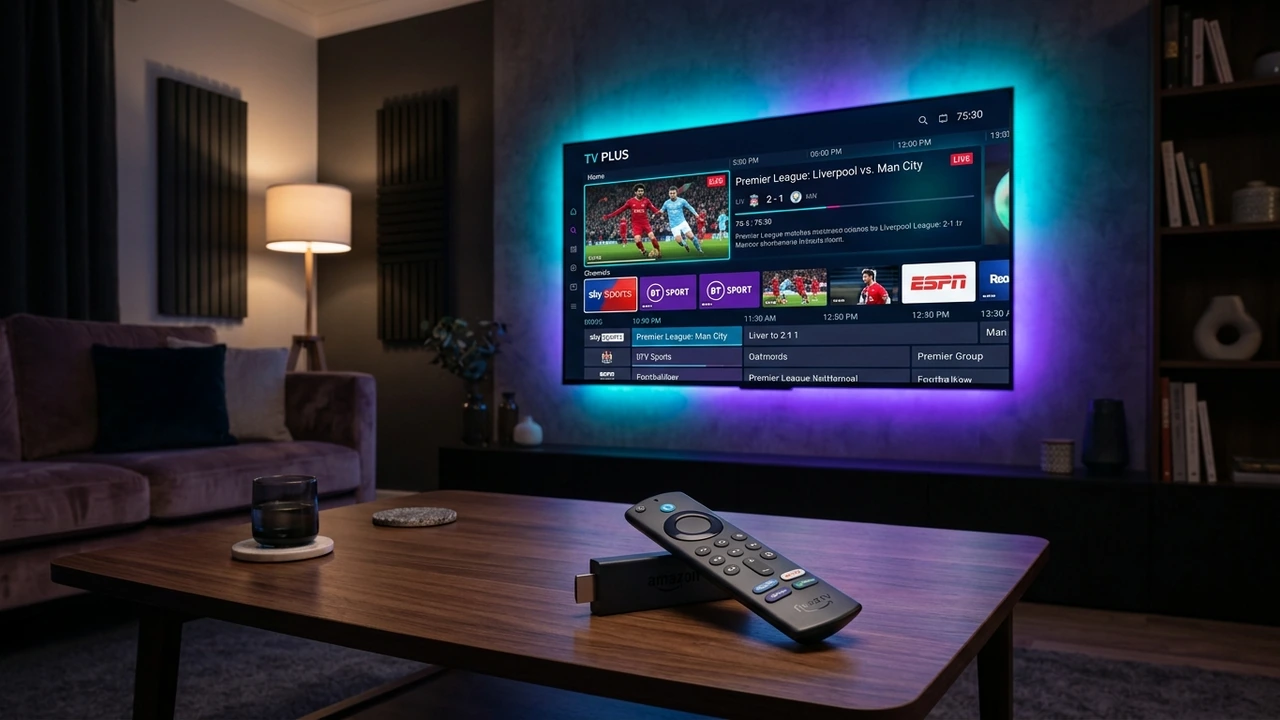
One of the greatest limitations of free web portals like TVPass was their reliance on browser-based rendering engines. Smart TV web browsers (such as Samsung Tizen's browser or LG webOS's browser) suffer from severe memory constraints, lack hardware-accelerated video decoding for advanced codecs like HEVC (H.265), and crash frequently when buffering high-bitrate live video.
To achieve smooth 60 FPS television streaming, ensure your primary display is connected to a dedicated streaming device equipped with at least 2 GB of RAM and a quad-core processor:
| Device Tier | Recommended Hardware | Operating System | Primary Advantage |
|---|---|---|---|
| Top-Tier Flagship | Nvidia Shield TV Pro (2019/2026), Apple TV 4K | Android TV 11+ / tvOS | Flawless gigabit decoding, AI upscaling, zero stutter |
| Mid-Range Standard | Amazon Fire TV Stick 4K Max, Chromecast with Google TV | Fire OS / Google TV | Excellent cost-to-performance ratio, native Wi-Fi 6 |
| Budget Friendly | Amazon Fire TV Stick 4K, Onn. Google TV 4K Streaming Box | Fire OS / Google TV | Affordable 4K streaming under $50, open sideloading |
| Native Smart TV | Modern Samsung (Tizen), LG (webOS), Sony (Google TV) | Proprietary OS | No secondary remotes, direct app store integration |
Step 2: Select a Dedicated High-Performance IPTV Infrastructure
Free web portals operate on the principle of taking without giving: they scrape streams, pack the interface with ads, and disappear when costs spiral out of control. A professional IPTV service functions like an enterprise digital cable operator, utilizing dedicated data centers, private content delivery networks, direct satellite downlinks, and dedicated technical support.
When selecting your replacement service, verify that it delivers:
- True 99.9% Server Uptime: Multi-cluster load-balanced servers located across North America, Europe, and Asia to prevent peak-hour sports buffering.
- Comprehensive Channel Lineup: Access to over 20,000+ live television channels spanning premium sports networks (NFL, NBA, MLB, Premier League, Champions League, Formula 1, PPV), news networks, documentary feeds, cinema channels, and international packages. Review the complete NixaTV channel list to verify your favorite regional broadcasts.
- Extensive Video On Demand (VOD): A continuously updated library of over 60,000+ movies and television series formatted in Full HD and 4K UHD with multi-language subtitles and crisp 5.1 Dolby audio.
- Integrated Electronic Program Guide (EPG): An accurate, multi-day interactive TV guide that displays real-time program schedules, show descriptions, and episode information directly inside your player app.
- Flexible Multi-Device Licensing: The ability to stream seamlessly across living room TVs, bedroom screens, tablets, and smartphones without arbitrary account lockouts. Explore competitive NixaTV IPTV subscription plans to find the right configuration for your household.
Step 3: Install an Industry-Standard IPTV Player Application
A common point of confusion for former TVPass users is the distinction between an IPTV Service Provider and an IPTV Media Player:
- The IPTV Service Provider (e.g., NixaTV): Furnishes the content stream, server authentication credentials, linear channel URLs, and EPG schedule data.
- The IPTV Player Application: The client-side software installed on your hardware that interprets the stream manifests, renders the video frames, organizes channel categories, and displays the interactive television guide.
Unlike TVPass, which forced you into an inflexible, ad-cluttered browser player, dedicated IPTV players offer customizable interfaces, picture-in-picture modes, multi-screen viewing, recording capabilities, and custom channel favoriting.
Top-rated players across consumer platforms include:
- For Amazon Firestick & Android TV: TiviMate IPTV Player (widely regarded as the premier television interface worldwide) and IPTV Smarters Pro.
- For Samsung Tizen & LG webOS Smart TVs: IBO Player, Smart IPTV (SIPTV), and Net IPTV.
- For Apple TV, iPhone & iPad: UHF, TiviMax, and GSE Smart IPTV.
- For Windows & macOS Computers: SFVIP Player, IPTV Smarters Pro for Desktop, and VLC Media Player.
For step-by-step device installation guides, visit our comprehensive NixaTV setup tutorials.
Step 4: Connect via Xtream Codes API (Why M3U URLs Are Obsolete)
When configuring your new player application, you will typically be presented with two authentication options:
- M3U Playlist URL: A long web URL ending in
.m3uor.m3u8containing plain-text links to every channel and on-demand title. - Xtream Codes API: A secure authentication protocol requiring three simple fields: Server URL, Username, and Password.
┌─────────────────────────────────────────────────────────────────┐
│                      XTREAM CODES API SETUP                     │
├─────────────────────────────────────────────────────────────────┤
│  Playlist Name : NixaTV Premium Live                            │
│  Server URL    : http://line.nixatv.pro:8080                    │
│  Username      : [Your Assigned Username]                       │
│  Password      : [Your Secure Password]                         │
└─────────────────────────────────────────────────────────────────┘
[!TIP] Always choose Xtream Codes API over standard M3U links. Xtream Codes API separates live channels, video on demand, and EPG schedules into distinct database calls. This dramatically accelerates initial playlist loading times, prevents memory crashes on devices like the Fire TV Stick, automatically refreshes your TV guide every 24 hours, and enables rich metadata including movie posters, cast bios, and episode summaries.
Step 5: Optimize Network Settings and Buffer Allocation
To ensure your new live streaming setup never suffers from the stuttering and disconnects that plagued TVPass, fine-tune your local network environment:
- Banish 2.4 GHz Wi-Fi: The 2.4 GHz Wi-Fi spectrum is congested with interference from household appliances, Bluetooth peripherals, and neighboring routers. Connect your streaming hardware exclusively to a 5 GHz Wi-Fi network or, ideally, direct Cat6 Ethernet.
- Calibrate Hardware Decoders: Inside your player settings (such as TiviMate or Smarters), navigate to the Video Decoder settings. Switch from Software (SW) decoding to Hardware (HW) decoding. Hardware decoding leverages the dedicated graphics chip on your streaming stick, reducing CPU utilization, preventing heat throttling, and ensuring smooth 60 FPS playback.
- Adjust Buffer Size: Set your stream buffer to Medium (3–5 seconds) or Large (5–10 seconds). This cushions your playback against minor residential broadband packet jitter without introducing perceptible latency during live channel surfing.
5. Device-by-Device Setup Guide for Displaced TVPass Users
To help you get up and running immediately, here are clear, step-by-step instructions for configuring high-performance television streaming on the most common entertainment devices.
A. Amazon Fire TV Stick / Fire TV Cube Setup (TiviMate Method)
The Amazon Fire TV Stick is the world's most popular streaming device. Because TiviMate is not hosted on the default Amazon Appstore, follow this verified sideloading method:
- Install Downloader: From the Fire TV Home Screen, select Find > Search, type
Downloader, and install the orange Downloader app published by AFTVnews. - Enable Developer Options: Navigate to Settings (gear icon) > My Fire TV > About. Highlight the name of your Fire TV Stick and click the center remote button 7 times consecutively until a message displays: "No need, you are already a developer."
- Grant Sideloading Permissions: Press Back, enter Developer Options > Install unknown apps (or Apps from Unknown Sources), find Downloader, and toggle it to ON.
- Download TiviMate: Launch the Downloader app, enter the official quick-code
278077(or type the direct URLhttps://tivimate.com), and click Go. - Install and Launch: Once downloaded, select Install, followed by Done, and delete the temporary installation file to save storage space.
- Enter NixaTV Credentials: Open TiviMate, click Add Playlist, select Xtream Codes, enter your NixaTV server URL, username, and password, and click Next. Within 30 to 60 seconds, your complete television lineup and interactive EPG guide will populate into a clean, responsive layout.
B. Android TV & Google TV Setup (Sony, TCL, Hisense, Chromecast, Nvidia Shield)
Unlike Fire OS, Android TV provides direct, unhindered access to the Google Play Store:
- Open the Google Play Store on your television interface.
- Search for TiviMate IPTV Player or IPTV Smarters Pro and click Install.
- Launch the application once installed.
- Select Add User / Xtream Codes API.
- Input your NixaTV connection parameters and select Login.
- Navigate to Settings > EPG to ensure daily automated guide updates are toggled on.
C. Samsung Smart TV (Tizen OS) & LG Smart TV (webOS) Setup
If you prefer not to purchase an external streaming stick and want to use your television's native remote control:
┌─────────────────────────────────────────────────────────────┐
│             SMART TV MAC PAIRING WORKFLOW                   │
├─────────────────────────────────────────────────────────────┤
│ 1. Download IBO Player or Smart IPTV from your TV App Store │
│ 2. Launch the app and record the displayed MAC Address & Key│
│ 3. Open a browser on your PC or smartphone                  │
│ 4. Visit the player's activation portal (e.g., iboplayer.com)│
│ 5. Input TV MAC Address + NixaTV Xtream Codes API URL       │
│ 6. Restart the TV app to instantly load channels & EPG      │
└─────────────────────────────────────────────────────────────┘
- Install Player App: On your Samsung Smart Hub or LG Content Store, search for IBO Player, Smart IPTV, or Net IPTV, and download the app.
- Locate Device Identifiers: Open the application. On the welcome screen or inside the Settings menu, locate your television's unique virtual MAC Address and Device Key.
- Upload Playlist via Web Portal: On your computer, tablet, or smartphone, navigate to the official management portal of the chosen player (for example,
https://iboplayer.com/device/login). Enter your TV's MAC Address and Device Key. - Bind NixaTV Credentials: Select Add Playlist (Xtream Codes), enter your NixaTV username, password, and server URL, and save the profile.
- Reload TV Application: Return to your Smart TV, press the Reload / Refresh button inside the app, and enjoy seamless channel surfing with your standard TV remote.
D. Apple TV (tvOS), iPhone & iPad Setup
Apple users benefit from some of the fastest video processing chips on the market:
- Open the App Store on your Apple TV or iOS device.
- Search for and install UHF - Smart IPTV Player or IPTV Smarters Pro.
- Launch the app and select Add Account via Xtream Codes.
- Input your subscription credentials.
- Enjoy hardware-accelerated video decoding with native Apple AirPlay support and iCloud playlist syncing across your iPhone, iPad, and Apple TV.
E. Windows PC & Apple Mac Setup
If you relied on TVPass while working on your computer or laptop, you do not need to settle for clunky browser extensions:
- Windows: Download the native IPTV Smarters Pro Windows Edition or the ultra-fast, lightweight SFVIP Player. These desktop clients bypass browser sandbox restrictions, providing crystal-clear 60 FPS playback with zero browser memory leaks.
- macOS: Download IPTV Smarters Pro for Mac or UHF directly from the Mac App Store to enjoy fluid, multi-window television streaming alongside your daily desktop workflow.
6. Technical In-Depth Comparison: Free Web Portals vs. Dedicated IPTV
To truly appreciate the transformation you will experience after migrating away from fragile browser directories like TVPass, review this direct, head-to-head engineering comparison:
| Technical Benchmark | Free Web Index Portals (TVPass / TheTVApp) | Dedicated Infrastructure (NixaTV) |
|---|---|---|
| Stream Delivery Protocol | Scraped, unauthenticated HLS reverse-proxies | Dedicated private enterprise load-balanced CDN |
| Video Resolution | Compressed 720p, unstable downscaled 1080p | Native Full HD (1080p 60 FPS) & true 4K UHD |
| Frame Rate for Sports | 24–30 FPS (noticeable judder on fast balls) | Fluid 50–60 FPS (broadcast-standard motion) |
| Peak-Hour Stability | Frequent crashes during major sports events | 99.9% guaranteed uptime with automatic failover |
| Interactive EPG Guide | Minimal or non-existent schedules | Full 7-day multi-source Electronic Program Guide |
| User Interface Control | Cluttered browser window, popup ads | Clean native media player interface, custom favorites |
| Multi-Screen Capability | Clunky manual multi-tabs that lag browser | Native 2-to-4 screen multi-view inside player apps |
| Device Compatibility | Limited to devices with capable web browsers | Universal (Firestick, Android, Smart TV, Apple, PC) |
| Audio Quality | Compressed 128 kbps stereo with frequent desync | Crisp 192–320 kbps AAC & 5.1 Dolby Surround Sound |
| Customer Support | Zero support; completely abandoned upon outage | 24/7 technical customer support via Contact Portal |
| Security & Privacy | High risk of malware, pop-unders, phishing clones | Clean, encrypted stream delivery with zero tracking |
7. Deep Troubleshooting Protocols for Displaced Cord-Cutters
Transitioning from browser-based streaming to a dedicated player app can occasionally reveal underlying local network anomalies or configuration mismatches. Use these granular diagnostics to resolve issues without waiting for technical assistance:
Diagnostic Protocol A: Eliminating Video Micro-Stutter and Frame Drops
Micro-stutter occurs when the refresh rate of your physical television panel (e.g., 60 Hz or 120 Hz) does not synchronize harmoniously with the native broadcast frame rate (e.g., 50 FPS for European broadcasts or 59.94 FPS for North American broadcasts).
- In TiviMate: Navigate to Settings > Playback > Auto frame rate (AFR). Toggle this feature to ON. AFR commands your streaming stick to dynamically switch display output frequency to match the incoming stream's native frame rate, guaranteeing buttery-smooth camera pans during sports broadcasts.
- In IPTV Smarters Pro: Go to Settings > Player Selection. Switch the default player engine from Built-in to Hardware Decoder. If micro-stutter persists, configure VLC Player as your external video renderer, enabling hardware YUV color space conversion.
Diagnostic Protocol B: Diagnosing ISP Traffic Shaping and Protocol Throttling
Many residential Internet Service Providers (ISPs) actively monitor downstream bandwidth consumption. When their automated traffic inspection systems identify continuous, high-bitrate UDP or HLS video data streams during prime-time hours (7:00 PM to 11:00 PM), they apply artificial throughput ceilings—commonly known as throttling:
- Verify Throttling via Fast.com vs. Speedtest.net: Run a standard speed test on Speedtest.net (which tests general ISP routing), followed immediately by a test on Fast.com (which routes through Netflix media servers). If your Fast.com speed is significantly lower than your Speedtest score, your ISP is actively throttling streaming media traffic.
- Deploy Encrypted Tunneling: If your broadband provider throttles video protocols, configure a reputable VPN protocol (such as WireGuard or OpenVPN UDP) directly on your router or streaming stick. Encrypting your payload prevents ISP deep packet inspection (DPI) firewalls from categorizing your IPTV packets, instantly restoring your full broadband bandwidth.
- Switch to Port 80 / 443 Relays: In your NixaTV account portal, request connection endpoints configured on standard HTTPS ports (443) or HTTP ports (80). Standard web traffic ports blend seamlessly with ordinary web traffic, making it impossible for automated ISP shaping rules to single out your stream.
Diagnostic Protocol C: Mitigating Audio-Video Desynchronization
When audio trails behind video by 500 to 2,000 milliseconds, it is almost always caused by audio decoder processing latency or Bluetooth soundbar buffer delays:
- Audio Delay Calibration: In TiviMate, press the center button while a channel is playing, select the Audio icon (soundwave symbol), and adjust Audio Delay. You can increment or decrement audio timing in precise 50-millisecond steps until mouth movements align perfectly with speech.
- Bypass Optical/Bluetooth Lag: If you use an external soundbar connected via Bluetooth or legacy optical TOSLINK, test audio directly through TV speakers. Bluetooth audio inherently introduces 150–250 ms of wireless latency. Switching to HDMI eARC (Enhanced Audio Return Channel) eliminates transmission lag completely.
Diagnostic Protocol D: Resolving "Too Many Connections" Server Lockouts
Dedicated IPTV services allocate a specific number of simultaneous streams per subscription to safeguard network bandwidth and server capacity:
- If you attempt to launch a third stream on a 2-connection account, the server returns an authorization handshake failure.
- Always ensure you properly exit the player app on bedroom or secondary TVs rather than simply turning off the television display. When a Smart TV is powered down via remote, the background streaming app may continue pulling network data in standby mode for several minutes. Press Back or Exit inside the player application before powering off your screen.
Premium NixaTV 4K/8K Streaming — Save 61% Today
Unlock 50,000+ channels, 150,000+ VODs, and 60 FPS Anti-Freeze technology. Get our 12-Month Plan for just $69.99.
- Premium Anti-Freeze v2.0
- Instant WhatsApp Activation
Frequently Asked Questions
9. Conclusion: Take Control of Your Entertainment Today
The sudden demise of TVPass was frustrating for millions of viewers who had grown accustomed to effortless, one-click television streaming. However, relying on fragile, unauthenticated web directories is a high-risk gamble that inevitably concludes with broken links, security vulnerabilities, and ruined sports weekends.
The permanent shutdown of TVPass is your golden opportunity to upgrade to a superior, broadcast-grade television ecosystem. By investing in a dedicated streaming stick, installing an intuitive player application like TiviMate or IBO Player, and connecting to the robust, high-speed infrastructure of the NixaTV IPTV network, you can say goodbye to buffering circles, intrusive pop-up ads, and fake clone domains forever.
Ready to reclaim your live entertainment?
- Explore our massive library of 20,000+ live channels and sports networks.
- Check out our flexible, affordable subscription plans.
- Follow our visual device installation tutorials to get configured in under five minutes.
- Learn more about our technical architecture and delivery in how NixaTV works.
- Have questions? Our team is available 24/7 via the contact helpdesk to ensure a flawless streaming experience.